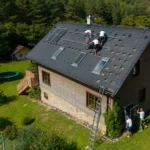
Local Roofing Expertise for Midland Park NJ Homes & Businesses
Roofing & Exterior Services in Midland Park NJ are essential for maintaining the integrity and value of properties across this vibrant Bergen County community. Our team understands the specific requirements for residential roofing projects, from the historic colonials prevalent throughout the area to the diverse range of single-family homes, condominiums, and even sprawling estates. Whether your property is located in Northside, Wortendyke, South Central, or Southeast, we provide tailored solutions that account for local architectural styles and environmental factors. We pride ourselves on delivering residential roofing services that protect homes along important routes like Prospect Street and Crescent Avenue, ensuring long-term durability and curb appeal. Comprehensive roof installation, repair, and maintenance are crucial for every home in Midland Park NJ.
The homes in Midland Park NJ often feature traditional designs, with many utilizing durable asphalt shingles and classic gable roofs, which are common for the colonial and single-family housing stock found here. These materials and designs are well-suited to withstand the local climate when properly installed and maintained. We serve residents near landmarks such as Midland Park High School and Nativity Catholic Church in the Northside area, as well as properties close to Wortendyke Station and the Midland Park Shopping Center in the Southeast. Even homes adjacent to local parks, with their playgrounds and sports fields, benefit from robust roofing systems that can handle varied weather conditions. Understanding these local nuances ensures effective roof installation and maintenance for every structure.
Permits, planning, and local considerations
Midland Park NJ experiences a humid subtropical climate, typical of northern New Jersey, characterized by cold winters, warm humid summers, moderate precipitation year-round, and occasional nor’easters or snow events. These conditions create several unique stressors for roofing systems. Freeze-thaw cycles can cause cracking in shingles and contribute to ice dam formation, leading to potential leaks. Heavy snowfall adds significant weight stress to roofs, risking structural damage, while high winds from nor’easters are known to lift shingles and damage flashing. Furthermore, the summer humidity and heat promote moss and algae growth, and can lead to premature granule loss on asphalt shingles. For any significant roofing project, homeowners must comply with Midland Park NJ permit requirements, overseen by the Midland Park Borough Construction Code Official, and adhere to the New Jersey Uniform Construction Code (NJ UCC). Information regarding construction permits is available on the Midland Park NJ Official Website.
FAQs for Roofing in Midland Park NJ
What are the common roofing challenges specific to Midland Park NJ’s climate?
Midland Park NJ’s humid subtropical climate presents several unique challenges for roofing systems. Winters bring freeze-thaw cycles that can cause asphalt shingles to crack and contribute to the formation of ice dams, potentially leading to water infiltration and leaks. Heavy snowfall adds considerable weight stress, which can strain a roof’s structure over time. During severe weather, high winds from nor’easters can lift and damage shingles or compromise flashing, necessitating prompt roof repair. Additionally, warm and humid summers foster the growth of moss and algae, which can degrade roofing materials and lead to premature granule loss on shingles, reducing their protective lifespan.
What types of roofs are typically found on homes in Midland Park NJ?
The diverse housing stock in Midland Park NJ, ranging from historic colonials and single-family homes to condominiums and sprawling estates, predominantly features certain roof types. Asphalt shingles are very common due to their versatility, cost-effectiveness, and suitability for the architectural styles seen throughout the borough. These shingles provide reliable protection against the region’s varied weather patterns. Many residences, especially the colonial and single-family homes, also commonly utilize gable roofs. This traditional roof design is favored for its classic aesthetic, efficient water runoff, and the additional attic space it often provides. Understanding these prevalent roof types is essential for effective roof maintenance and replacement services.
Do I need a permit for roofing work in Midland Park NJ?
Yes, most significant roofing projects in Midland Park NJ require a permit to ensure compliance with local building codes and safety standards. This includes major roof repairs, full roof replacements, and new roof installations. The permitting process is handled by the Midland Park Borough Construction Code Official. It is also crucial that all roofing work adheres to the New Jersey Uniform Construction Code (NJ UCC). Homeowners should consult the Midland Park NJ Official Website for detailed information on obtaining construction permits. Engaging a professional roofing contractor familiar with these local regulations can help streamline the permitting process and ensure compliance.
How can I tell if my roof in Midland Park NJ has storm damage?
After a significant storm in Midland Park NJ, particularly those involving high winds, hail, or heavy rain, homeowners should conduct a visual inspection for signs of damage. Look for missing, cracked, or curled shingles, which are common indicators of wind damage. Inspect your gutters for excessive granule accumulation, which signals rapid wear or impact damage to asphalt shingles. Dents or pockmarks on shingles, vents, or flashing may suggest hail damage. Inside your home, new water stains on ceilings or walls are definitive signs of a roof leak. If you suspect damage, a professional storm damage roof repair inspection is highly recommended to assess the full extent of the problem.
What are the benefits of regular roof inspections in Midland Park NJ?
Regular roof inspections are a proactive measure that can significantly extend the life of your roof in Midland Park NJ. An annual roof inspection allows for early detection of minor issues, such as loose or cracked shingles, damaged flashing, or early signs of moss and algae growth, before they escalate into costly repairs. This is particularly important given the local climate’s freeze-thaw cycles, heavy snow, and high winds that can cause gradual wear and tear. Timely repairs prevent water infiltration, structural damage, and can help maintain your home’s energy efficiency. Regular checks also ensure your roof remains compliant with insurance requirements and local codes.
How do specific neighborhoods like Northside or Wortendyke influence roofing decisions?
While fundamental roofing principles apply borough-wide, specific neighborhoods in Midland Park NJ like Northside or Wortendyke might subtly influence roofing decisions. Older sections might have historic preservation considerations that guide material choices for roof repair or replacement, favoring traditional styles to maintain neighborhood character. Denser areas could have different accessibility challenges for equipment. Homes near areas with abundant tree cover, such as those close to local parks, may require more robust solutions to mitigate debris accumulation, potential branch impacts, or increased moisture leading to moss growth. A local roofing contractor understands these unique considerations for each part of Midland Park NJ.
What is the typical lifespan for a roof in Midland Park NJ, considering the local climate?
The lifespan of a roof in Midland Park NJ is influenced by the quality of materials, installation, and maintenance, but the local climate plays a significant role. For asphalt shingle roofs, commonly found on homes here, a typical lifespan can range from 20 to 25 years. However, the humid subtropical climate, with its pronounced freeze-thaw cycles, heavy snowfall, high winds from nor’easters, and summer humidity, can accelerate wear and tear. Regular professional inspections and timely repairs are crucial for maximizing your roof’s longevity and ensuring it provides reliable protection against these environmental stressors throughout its expected lifespan.
If you want an inspection, the next step is requesting an estimate.