Local Roofing Expertise for Cresskill NJ Homes & Businesses
For superior Roofing & Exterior Services in Cresskill NJ, understanding the local architectural styles and environmental conditions is paramount. As a key part of Bergen County, Cresskill presents a diverse array of properties across its distinct neighborhoods. From the established residences in Cresskill Manor, Cresskill Gardens, and Cresskill Terrace to the tranquil settings of Tammy Brook Hills, East Hill, and West Side, homeowners require reliable roofing solutions. Navigating the borough is made easy by main roads such as Piermont Road, Union Avenue, Madison Avenue, and Knickerbocker Road, with the Palisades Interstate Parkway also nearby, facilitating efficient service for any roofing project in Cresskill NJ.
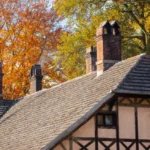
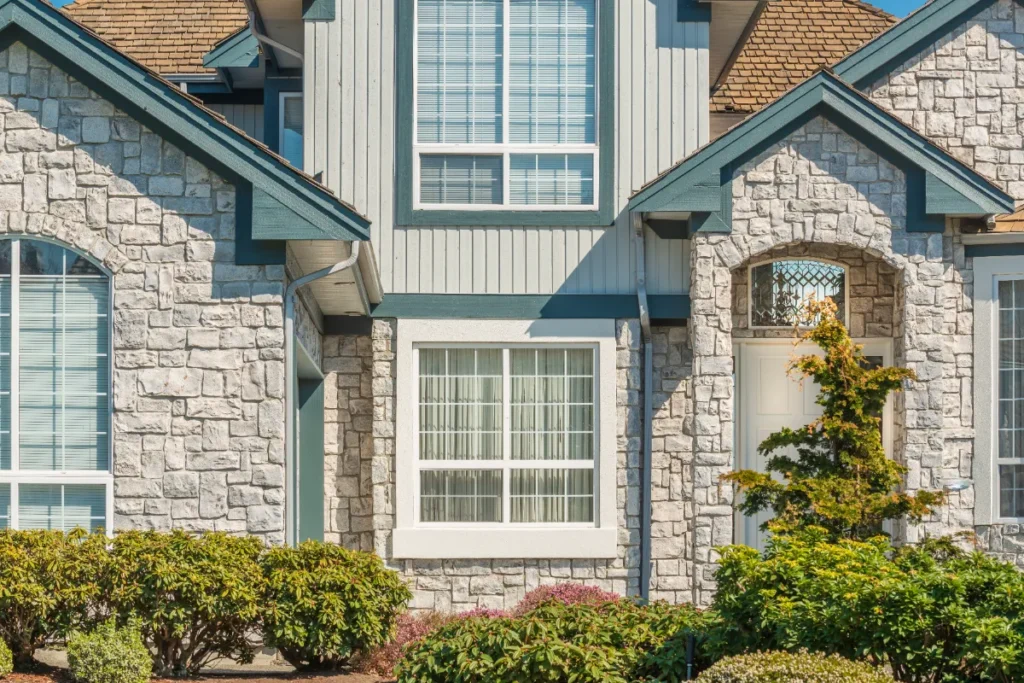
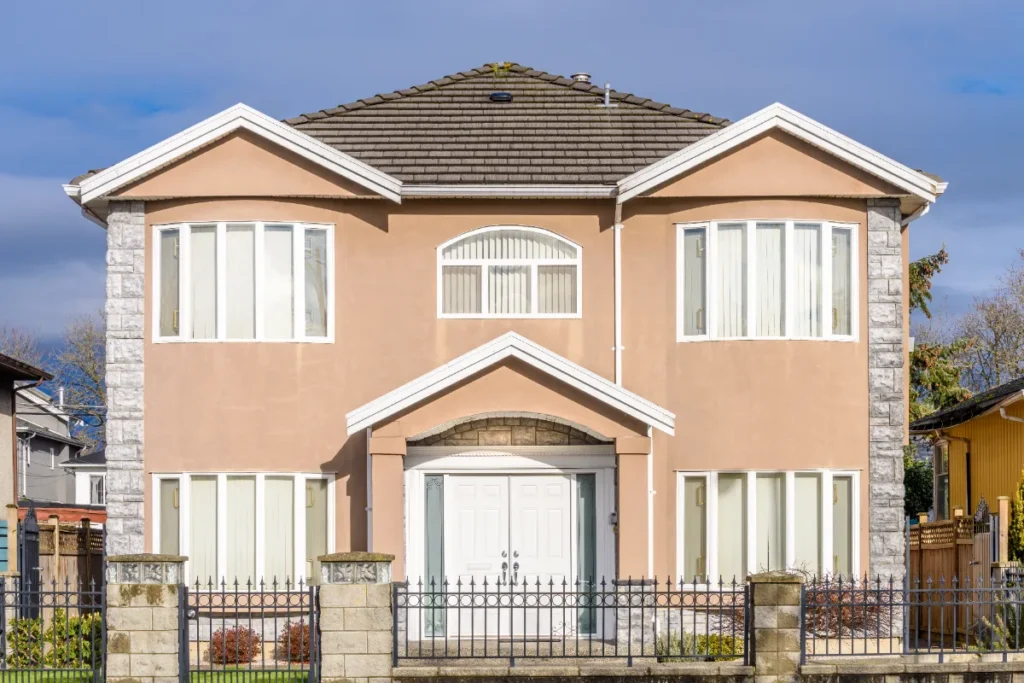
The housing stock in Cresskill is varied, featuring Victorian-era houses with their classic charm, along with numerous split levels and Colonials. It’s not uncommon to find multi-million-dollar estates alongside these, each demanding specific roofing expertise. For instance, Colonials often feature gable roofs, while split levels typically have hip roofs. Asphalt shingle is a predominant material for many residences, a practical choice for Bergen County’s climate. However, historic properties, like the Benjamin P. Westervelt House, built in 1763, or structures near the Cresskill Congregational Church (founded 1863), may utilize slate or architectural shingles to preserve their aesthetic and historical value. Professional roof installation must account for these diverse styles and materials.
Cresskill’s temperate humid continental climate, characterized by cold winters, hot humid summers, and significant year-round precipitation, presents unique challenges for roofing systems. Homeowners in Cresskill NJ should be aware of several roofing stressors, including freeze-thaw cycles that can cause ice dams and shingle cracking, and heavy snowfall that puts substantial snow load stress on roofs. High winds from coastal storms, influenced by the area’s proximity to the Hudson River, can lead to shingle blow-off. Summer humidity and heat promote moss and algae growth, and premature granule loss, while the tree-lined streets near Tenakill Park and the Camp Merritt Memorial Monument often result in oak tree pollen and debris clogging gutters, potentially leading to rot. Timely roof repair and maintenance are essential to mitigate these issues.
Property owners considering roofing projects, whether a routine roof inspection or a comprehensive roof replacement, must comply with local regulations. All roofing projects in Cresskill NJ are subject to the permit requirements established by the Cresskill Borough Construction Code Official. Furthermore, all work must adhere to the standards outlined in the New Jersey Uniform Construction Code (NJ UCC). Information regarding specific permit applications and guidelines can be found by referring to the Cresskill Borough Permits. Ensuring compliance with these codes is crucial for the safety, legality, and longevity of any residential or commercial roofing work performed in Cresskill.
FAQs for Roofing in Cresskill NJ
What are the most common roofing problems in Cresskill NJ?
Cresskill NJ roofs often face challenges due to the area’s climate. Common problems include damage from freeze-thaw cycles during cold winters, which can cause shingles to crack and contribute to ice dam formation. Heavy snowfall also places significant stress on roofing structures. High winds, particularly from coastal storms, can lead to lifted or missing shingles. Additionally, the hot, humid summers in Cresskill encourage moss and algae growth, while abundant oak trees in neighborhoods like Cresskill Gardens can cause gutters to clog with pollen and debris, leading to water accumulation and potential rot.
What types of roofing materials are best suited for Cresskill NJ homes?
Given Cresskill’s diverse housing stock, several roofing materials are well-suited. Asphalt shingles are a popular and practical choice for many homes, including Colonials and split levels, offering good durability against the local climate. For historic Victorian-era houses, such as those found near the Demarest Family Cemetery, slate or architectural shingles are often recommended to maintain the authentic aesthetic and provide long-lasting protection. The best material depends on the home’s style, budget, and specific climate considerations, all of which a local roofing expert can help assess for optimal performance.
Is a permit required for roof repair or replacement in Cresskill NJ?
Yes, significant roof repairs and all roof replacements in Cresskill NJ typically require a permit. The Cresskill Borough Construction Code Official is the authority for these permits, and all work must comply with the New Jersey Uniform Construction Code (NJ UCC). Obtaining the proper permits ensures that your roofing project meets local building standards and safety regulations, safeguarding your property and investment. It is always advisable to consult with your roofing contractor and the borough’s construction department to understand specific requirements before commencing any work.
How often should roofs in Cresskill NJ be inspected?
Given Cresskill’s varying weather conditions, including heavy snowfall and high winds, it is generally recommended to have your roof inspected at least once a year. An annual roof inspection helps identify potential issues early, such as loose or damaged shingles, gutter clogs from oak tree debris, or signs of moss and algae growth, before they develop into more costly problems. It is also wise to schedule an inspection after any significant storm activity to assess for potential storm damage that might not be immediately visible from the ground.
How do high winds and coastal storms affect roofs in Cresskill?
Cresskill’s proximity to the Palisades Interstate Parkway and the general coastal storm patterns of New Jersey mean roofs are susceptible to high winds. These winds can cause significant damage, including lifting, tearing, or completely blowing off shingles, especially on older or improperly installed roofs. Strong gusts can also exacerbate existing weaknesses, leading to leaks or structural compromise. Property owners in areas like East Hill and West Side should ensure their roofs are securely installed and regularly inspected for resilience against such severe weather events common in the region.
What steps can I take to prevent moss and algae growth on my Cresskill roof?
Preventing moss and algae growth on your Cresskill roof is important, particularly given the humid summers. Regular roof cleaning by professionals can remove existing growth and prevent its spread. Trimming overhanging tree branches, especially from oak trees common in the area, can reduce shade and debris, allowing the roof to dry more quickly and inhibiting growth. Installing zinc or copper strips near the roof ridge can also deter moss and algae, as rainwater washes small amounts of metal down the roof, creating an environment unfavorable for growth.
If you want an inspection, the next step is requesting an estimate.