
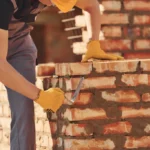

Local masonry limestone stands as a premier choice in New Jersey for construction, offering a blend of durability, aesthetic appeal, and regional character. Whether you’re envisioning a stunning new facade, a charming garden wall, or intricate custom stonework, understanding the nuances of using limestone in masonry projects is essential. This comprehensive guide will walk you through everything you need to know, from sourcing high-quality limestone to ensuring a flawless installation.
Why Choose Limestone for Masonry Projects?
When considering building materials, the choice can be overwhelming. However, limestone stands out for its unique combination of aesthetic and structural benefits. Many homeowners search for limestone masonry contractors when they recognize these advantages. Here’s a closer look at why limestone should be at the top of your list:
Durability and Benefits of Limestone
Limestone is renowned for its exceptional durability, capable of withstanding the test of time and the elements. Its inherent strength makes it ideal for load-bearing walls, facades, and other structural components. This durability translates to long-term cost savings, as limestone requires less frequent repairs and replacements compared to other materials. Limestone’s porous nature is one of the key factors. This allows to stand the test of time and the elements.
- Exceptional Longevity: Properly installed and maintained limestone can last for generations, adding lasting value to your property.
- Weather Resistance: Limestone can withstand freeze-thaw cycles, heavy rainfall, and extreme temperatures, making it suitable for various climates.
- Natural Insulation: Limestone’s density provides excellent thermal mass, helping to regulate indoor temperatures and reduce energy consumption.
- Fire Resistance: As a non-combustible material, limestone offers superior fire protection compared to wood or vinyl.
Comparison with Other Masonry Stones
While other masonry stones like granite, sandstone, and brick have their own merits, limestone offers a distinct set of advantages. Compared to granite, limestone is easier to work with, allowing for more intricate designs and custom shapes. Unlike sandstone, limestone is less prone to water absorption, reducing the risk of staining and deterioration. Moreover, limestone offers a more natural and elegant aesthetic compared to the manufactured look of brick. For expert masonry services, contact Focus On Construction LLC today.
- Granite: More expensive and harder to shape than limestone.
- Sandstone: More porous and susceptible to weathering than limestone.
- Brick: Lacks the natural beauty and unique character of limestone.
Ultimately, the best choice depends on your specific project requirements, budget, and aesthetic preferences. However, limestone’s blend of durability, beauty, and versatility makes it a compelling option for a wide range of masonry projects.
Finding the Best Limestone Suppliers Near Me
Sourcing high-quality limestone is crucial for the success of any masonry project. A common search is for “limestone suppliers near me.” Finding a reputable supplier ensures that you receive materials that meet your specifications and standards. Here’s how to navigate the process effectively:
How to Source High-Quality Limestone Locally
Start by researching local stone quarries and suppliers specializing in limestone. Online directories, industry associations, and local building material retailers can provide valuable leads. When contacting potential suppliers, inquire about their limestone sources, quality control measures, and product specifications. Ask for samples to assess the color, texture, and consistency of the limestone.
- Online Research: Use search engines and online directories to identify local limestone suppliers.
- Industry Associations: Consult with masonry and construction industry associations for supplier recommendations.
- Local Retailers: Check with building material retailers in your area for limestone options.
Don’t hesitate to ask for references from previous customers. A reputable supplier will be happy to provide testimonials or project examples showcasing their limestone quality. Consider visiting the supplier’s facility to inspect their inventory and manufacturing processes firsthand. This can give you a better understanding of their commitment to quality.
Tips for Selecting a Reliable Supplier
Choosing the right limestone supplier is just as important as selecting the right stone. Here are some key factors to consider:
- Experience and Expertise: Look for a supplier with a proven track record and in-depth knowledge of limestone products.
- Product Quality: Ensure that the supplier offers high-quality limestone that meets industry standards.
- Competitive Pricing: Compare prices from multiple suppliers to find the best value for your budget.
- Timely Delivery: Choose a supplier that can deliver materials on time and according to your project schedule.
- Customer Service: Opt for a supplier that provides excellent customer service and support throughout the process.
Building a strong relationship with your limestone supplier can be beneficial in the long run, especially for ongoing projects or future needs.
Limestone Bricks vs Limestone Blocks for Masonry
When working with limestone, you’ll typically encounter two primary forms: limestone bricks vs blocks. Understanding the differences between these options is crucial for selecting the right materials for your project. Let’s delve into the pros and cons of each:
Pros and Cons of Each Option
Limestone Bricks: These are smaller, individual units that are typically used for creating detailed patterns, veneers, and accent walls. They offer greater flexibility in design but require more labor-intensive installation.
- Pros:
- More intricate designs
- Detailed patterns
- Easy to handle
- Cons:
- More labor-intensive installation
- Higher material costs per square foot
- Not ideal for large-scale structural walls
Limestone Blocks: These are larger, heavier units that are best suited for constructing structural walls, retaining walls, and other large-scale projects. They offer faster installation but less design flexibility.
- Pros:
- Faster installation
- Lower labor costs
- Ideal for structural walls
- Cons:
- Limited design flexibility
- Heavier and harder to handle
- May require specialized equipment for installation
Typical Applications
The choice between limestone bricks and blocks depends on the specific requirements of your project. Here are some typical applications for each:
- Limestone Bricks:
- Veneers and facades
- Garden walls and planters
- Fireplaces and chimneys
- Interior accent walls
- Limestone Blocks:
- Structural walls
- Retaining walls
- Building foundations
- Large-scale landscaping projects
Carefully assess the scope, budget, and design goals of your project to determine whether limestone bricks or blocks are the better choice.
Custom Limestone Work and Installation
Custom limestone work can transform any project from ordinary to extraordinary. It allows you to create unique architectural features and personalized designs that reflect your individual style. Coupled with a proper limestone installation process, you can achieve stunning results that last for years.
Types of Custom Masonry Limestone Projects
The possibilities for custom limestone work are virtually endless. Here are just a few examples:
- Arches and Entryways: Create a grand entrance with a custom-designed limestone arch or entryway.
- Columns and Pilasters: Add architectural interest with limestone columns and pilasters.
- Fireplace Surrounds: Design a unique fireplace surround that becomes the focal point of your living space.
- Window and Door Surrounds: Enhance your windows and doors with custom limestone surrounds.
- Water Features: Incorporate limestone into fountains, waterfalls, and other water features for a natural and elegant look.
When planning a custom limestone project, it’s essential to collaborate with a skilled mason or architect who can bring your vision to life.
Overview of the Installation Process
The installation process for limestone masonry involves several key steps:
- Site Preparation: Preparing the foundation or surface to receive the limestone.
- Mortar Mixing: Preparing the mortar mix by combining cement, lime, sand, and water.
- Stone Placement: Carefully placing each limestone unit, ensuring proper alignment and spacing.
- Mortar Jointing: Filling the joints between the limestone units with mortar and tooling them to the desired finish.
- Cleaning and Sealing: Cleaning excess mortar and applying a sealant to protect the limestone from the elements.
Proper installation is crucial for ensuring the longevity and structural integrity of your limestone masonry.
Project Planning and Timeline
Planning a limestone masonry project requires careful consideration of several factors, including:
- Design and Specifications: Finalizing the design and selecting the appropriate limestone materials.
- Budget: Establishing a realistic budget that covers materials, labor, and other expenses.
- Permits and Approvals: Obtaining necessary permits and approvals from local authorities.
- Contractor Selection: Choosing a qualified and experienced masonry contractor.
- Timeline: Developing a project timeline that accounts for all phases of the installation process.
A well-planned project ensures a smooth and successful outcome.
Masonry Repair, Restoration, and Maintenance
To preserve the beauty and longevity of your limestone masonry, regular masonry repair and restoration is essential. Likewise, having proper limestone maintenance tips in place is vital. Ignoring maintenance can lead to costly repairs down the line.
Common Repair Needs for Limestone Masonry
Limestone masonry is susceptible to various types of damage, including:
- Cracking: Cracks can occur due to settling, expansion and contraction, or impact damage.
- Spalling: Spalling is the flaking or crumbling of the limestone surface due to water penetration and freeze-thaw cycles.
- Mortar Joint Deterioration: Mortar joints can deteriorate over time due to weathering and erosion.
- Staining: Stains can result from environmental pollutants, organic matter, or improper cleaning methods.
Addressing these issues promptly can prevent further damage and maintain the structural integrity of your limestone masonry.
Best Practices for Cleaning and Preserving Limestone
Proper cleaning and maintenance are crucial for preserving the beauty and longevity of your limestone masonry. Here are some best practices to follow:
- Regular Cleaning: Clean limestone surfaces regularly with a soft brush and mild soap and water.
- Stain Removal: Address stains promptly using appropriate cleaning solutions designed for limestone.
- Sealing: Apply a breathable sealant to protect limestone from water penetration and staining.
- Repointing: Replace deteriorated mortar joints with fresh mortar to prevent water damage.
- Professional Inspection: Schedule regular inspections by a qualified masonry contractor to identify and address potential issues early on.
By following these guidelines, you can keep your limestone masonry looking its best for years to come.
Comparing Stone Veneer and Natural Limestone
When considering a stone facade for your project, you might be torn between stone veneer vs natural limestone. Both options offer distinct advantages and disadvantages in terms of cost, aesthetics, and longevity.
Cost, Look, and Longevity Differences
Natural Limestone: As a naturally occurring stone, limestone offers a unique and timeless aesthetic. Its durability and longevity are unmatched, capable of lasting for generations with proper care. However, natural limestone is typically more expensive than stone veneer due to extraction, fabrication, and installation costs.
- Cost: Higher upfront cost for materials and installation.
- Look: Authentic, natural stone appearance with unique variations.
- Longevity: Exceptional durability and lifespan with proper maintenance.
Stone Veneer: Stone veneer is a manufactured product that replicates the look of natural stone. It is typically made from concrete or other composite materials. Stone veneer is more affordable than natural limestone and easier to install due to its lighter weight. However, it lacks the natural variations and authentic character of real stone, and its lifespan is generally shorter.
- Cost: Lower upfront cost for materials and installation.
- Look: Replicates the appearance of natural stone but lacks unique variations.
- Longevity: Shorter lifespan compared to natural limestone, with potential for fading or damage.
When to Choose Each Option
The choice between stone veneer and natural limestone depends on your budget, aesthetic preferences, and long-term goals. Consider the following:
- Choose Natural Limestone If:
- You prioritize authenticity and timeless beauty.
- You’re willing to invest in a high-quality, long-lasting material.
- Your budget allows for higher upfront costs.
- Choose Stone Veneer If:
- You’re on a tight budget.
- You want a more affordable and easy-to-install option.
- You’re willing to compromise on authenticity and longevity.
Carefully weigh the pros and cons of each option to make an informed decision that aligns with your needs and priorities. And remember to choose a professional for your siding needs; call Focus On Construction LLC today!
Limestone Cost, Pricing, and Budgeting Tips
Understanding the limestone cost and pricing is crucial for planning a successful masonry project. The cost of limestone can vary depending on several factors, including the type of limestone, the size and quantity of the stones, and the complexity of the installation.
Price Ranges for Materials and Labor
On average, the cost of limestone materials ranges from $15 to $45 per square foot. The cost of labor can range from $5 to $15 per square foot, depending on the complexity of the project and the experience of the contractor. Overall, expect to pay between $20 and $60 per square foot for a typical limestone masonry project.
Here’s a breakdown of the cost factors:
- Type of Limestone: Different types of limestone have varying price points, with rarer or more desirable varieties costing more.
- Size and Quantity: Larger stones and higher quantities typically result in lower per-unit costs.
- Installation Complexity: Intricate designs and challenging site conditions can increase labor costs.
- Location: Material and labor costs can vary depending on your geographic location.
Tips for Cost-Effective Limestone Projects
Here are some tips to help you keep your limestone project within budget:
- Plan Ahead: Carefully plan your project and obtain accurate quotes from multiple contractors.
- Choose Local Materials: Sourcing limestone from local quarries can reduce transportation costs.
- Optimize Design: Simplify the design to minimize material waste and labor time.
- Negotiate Prices: Don’t be afraid to negotiate prices with suppliers and contractors.
- Consider Alternatives: If your budget is tight, consider using stone veneer in less visible areas.
With careful planning and cost management, you can achieve your dream limestone project without breaking the bank.
Eco-Friendly Masonry Solutions Using Limestone
In today’s world, sustainability is a growing concern for homeowners and builders alike. Fortunately, there are many eco-friendly masonry solutions that utilize limestone, making it a responsible choice for construction. Sourcing from local stone quarries is also critical.
Sourcing Sustainable Local Limestone
One of the most effective ways to reduce the environmental impact of limestone masonry is to source materials locally. Local quarries minimize transportation distances, reducing carbon emissions and supporting the local economy. Additionally, look for limestone suppliers that employ sustainable extraction practices, such as minimizing habitat disruption and restoring quarry sites after use.
Here are some tips for sourcing sustainable local limestone:
- Research Local Quarries: Identify quarries in your region that offer limestone products.
- Inquire About Sustainability Practices: Ask suppliers about their environmental policies and certifications.
- Choose Recycled Content: Consider using limestone products that incorporate recycled materials.
Green Building Practices in Masonry
In addition to sourcing sustainable materials, there are several green building practices you can incorporate into your limestone masonry project:
- Energy-Efficient Design: Design your project to maximize energy efficiency by utilizing limestone’s thermal mass properties.
- Water Conservation: Implement water-saving measures during construction, such as using recycled water for mixing mortar.
- Waste Reduction: Minimize waste by accurately estimating material needs and recycling excess limestone.
- Sustainable Mortar: Use mortar mixes that incorporate recycled content or alternative binding agents.
By embracing eco-friendly masonry solutions, you can minimize your environmental footprint and create a sustainable and beautiful structure that aligns with your values.
For expert **chimneys** services, check out Focus On Construction LLC today.
Frequently Asked Questions (FAQ) About Local Masonry Limestone
Here are some of the most frequently asked questions about local masonry limestone. Understanding these points can help you make informed decisions and ensure a successful project.
What is local masonry limestone, and where does it come from?
Local masonry limestone is a sedimentary rock composed primarily of calcium carbonate. It is quarried from natural deposits in various regions, including New Jersey. The specific characteristics and color of limestone can vary depending on the quarry’s location and the geological formation.
How do I find trustworthy limestone masonry contractors near me?
Finding trustworthy limestone masonry contractors involves careful research and due diligence. Start by asking for recommendations from friends, family, or local building material suppliers. Check online directories and review sites for contractors in your area, and pay attention to customer reviews and ratings. Always verify that the contractor is licensed and insured, and ask for references from previous clients. Finally, obtain multiple quotes and compare them carefully before making a decision.
What are the differences between limestone bricks and blocks for masonry?
The main differences between limestone bricks and blocks lie in their size and application. Limestone bricks are smaller, individual units that are ideal for creating detailed patterns, veneers, and accent walls. Limestone blocks are larger, heavier units that are best suited for constructing structural walls, retaining walls, and other large-scale projects. Bricks offer greater design flexibility, while blocks offer faster installation.
How much does a typical local masonry limestone project cost?
The cost of a typical local masonry limestone project can vary widely depending on the project’s size, complexity, and scope. On average, expect to pay between $20 and $60 per square foot for materials and labor. However, prices can be higher for custom designs, intricate installations, or challenging site conditions. It’s always best to obtain multiple quotes from contractors to get an accurate estimate for your specific project.
What steps are involved in the limestone installation process?
The limestone installation process typically involves several key steps: site preparation, mortar mixing, stone placement, mortar jointing, cleaning, and sealing. Site preparation involves preparing the foundation or surface to receive the limestone. Mortar mixing involves combining cement, lime, sand, and water to create a strong and workable mortar. Stone placement involves carefully placing each limestone unit, ensuring proper alignment and spacing. Mortar jointing involves filling the joints between the limestone units with mortar and tooling them to the desired finish. Finally, cleaning involves removing excess mortar and applying a sealant to protect the limestone from the elements.
How do I maintain and clean limestone masonry?
Maintaining and cleaning limestone masonry involves regular cleaning with a soft brush and mild soap and water. Address stains promptly using appropriate cleaning solutions designed for limestone. Apply a breathable sealant to protect limestone from water penetration and staining. Replace deteriorated mortar joints with fresh mortar to prevent water damage. Schedule regular inspections by a qualified masonry contractor to identify and address potential issues early on.
Is natural limestone better than stone veneer?
Whether natural limestone is “better” than stone veneer depends on your individual needs and priorities. Natural limestone offers a unique and timeless aesthetic, exceptional durability, and a longer lifespan. However, it is more expensive and requires more specialized installation. Stone veneer is more affordable and easier to install, but it lacks the natural variations and longevity of real stone. Consider your budget, aesthetic preferences, and long-term goals when making your decision.
What should I look for when choosing a limestone supplier?
When choosing a limestone supplier, look for experience, product quality, competitive pricing, timely delivery, and customer service. Choose a supplier with a proven track record and in-depth knowledge of limestone products. Ensure that the supplier offers high-quality limestone that meets industry standards. Compare prices from multiple suppliers to find the best value for your budget. Choose a supplier that can deliver materials on time and according to your project schedule. Opt for a supplier that provides excellent customer service and support throughout the process.
Are there eco-friendly options for limestone masonry?
Yes, there are several eco-friendly options for limestone masonry. Source limestone from local quarries to minimize transportation distances and reduce carbon emissions. Look for suppliers that employ sustainable extraction practices and offer limestone products with recycled content. Incorporate green building practices into your project, such as energy-efficient design, water conservation, and waste reduction.
How long does limestone masonry last with proper care?
With proper care and maintenance, limestone masonry can last for generations. Regular cleaning, sealing, and repointing can help prevent damage and extend the lifespan of your limestone structures. Schedule regular inspections by a qualified masonry contractor to identify and address potential issues early on.
Conclusion
Local masonry limestone offers a timeless combination of beauty, durability, and sustainability, making it an ideal choice for a wide range of construction projects. From stunning facades to charming garden walls, limestone can enhance the aesthetic appeal and value of your property while providing lasting structural integrity. By understanding the nuances of sourcing, installing, and maintaining limestone, you can ensure a successful and rewarding masonry project. For all your roofing needs, Focus On Construction LLC are the local experts. Ready to transform your property with the timeless elegance of local masonry limestone? Contact Focus On Construction LLC today for a free consultation and estimate. Our experienced team of masonry professionals is dedicated to providing exceptional craftsmanship and customer service. Let us bring your vision to life with the enduring beauty of limestone. Visit our area-we-serve page to see if we service your town!