
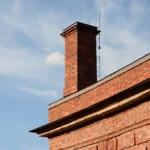

Chases-covers-caps & dampers are essential components that protect your chimney system from weather damage, improve energy efficiency, and extend the life of your fireplace. Whether you’re dealing with water leaks, rusted metal tops, or poor ventilation, understanding how these elements work—and when to replace them—can save you costly repairs and keep your home safe year-round.
Chimney Caps and Covers: Your First Line of Defense
A chimney cap or chase cover prevents rain, snow, debris, and animals from entering your flue. These protective tops shield your chimney’s structure from moisture damage, rust, and blockages.
Modern stainless steel chimney caps are preferred because they’re rust-resistant, durable, and easy to maintain. They also improve draft control, reduce downdrafts, and prevent sparks from escaping onto your roof.
Pro tip: In New Jersey’s humid and freezing seasons, a rusted or missing cap can quickly lead to costly water leaks and brick deterioration.
Understanding Chimney Chase Covers
Chase covers—sometimes called chase tops—are metal plates custom-fitted to the top of prefabricated or wood-framed chimneys. They act like a roof for your chimney chase, directing water away from the sides and seams.
Chase cover installation requires precision to ensure a watertight seal and proper slope for drainage. If your chase cover is rusting or stained, it’s time to replace it before leaks cause interior damage.
Chimney Dampers: Efficiency and Energy Savings
A chimney damper regulates airflow inside the flue. When closed, it seals the fireplace to prevent warm indoor air from escaping, improving your home’s energy efficiency—especially during cold New Jersey winters.
There are two main types:
- Throat dampers, built inside the firebox.
- Top-sealing dampers, installed at the chimney top with a spring-loaded cap.
Top-sealing dampers are more efficient, preventing drafts, moisture, and animals while acting as an additional rain guard.
Why Stainless Steel is the Best Choice
When choosing chimney caps and chase covers, stainless steel stands out for longevity and corrosion resistance. Unlike galvanized metal, stainless steel won’t rust, warp, or discolor over time. It’s also compatible with most chimney types—masonry or prefab—and often comes with lifetime warranties.
Homeowners in coastal or high-humidity New Jersey areas benefit the most from stainless steel’s durability against salt air and moisture exposure.
Signs You Need a New Cap, Cover, or Damper
- Rust stains on the chase or siding
- Water dripping into the fireplace after rain
- Animal noises or nests inside the flue
- Drafts or smoke entering your home
- Visible damage, cracks, or loose fittings on top of the chimney
If you notice any of these signs, contact a licensed chimney specialist to inspect and replace the affected parts before further damage occurs.
Professional Installation and Maintenance in New Jersey
Installing chases-covers-caps & dampers is not a DIY job. Proper fitting and sealing are crucial to prevent leaks and airflow issues.
At Focus On Construction LLC, our experienced team provides professional chimney cap, chase cover, and damper installation across Bergen, Hudson, Passaic, Essex, Morris, and Middlesex County. We use high-quality stainless steel materials and guarantee long-lasting protection and safety for your home according to the building code.
FAQ for Chases, Covers, Caps & Dampers in New Jersey
What are chases, covers, caps, and dampers used for in chimneys?
They protect your chimney from weather, animals, and debris while improving ventilation and energy efficiency.
What’s the difference between a chimney cap and a chase cover?
A chimney cap covers the flue opening; a chase cover covers the entire top of a prefabricated chimney chase.
Why choose stainless steel?
It’s rust-proof, durable, and often backed by lifetime warranties—ideal for New Jersey’s variable climate.
How do dampers help with energy savings?
When closed, they prevent warm indoor air from escaping, reducing energy bills in winter.
When should I replace a chase cover?
At the first signs of rust, water stains, or leaks to avoid interior damage.
Do chimney caps stop animals?
Yes. Properly installed caps block birds, squirrels, and debris from entering your chimney.