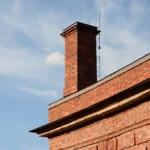
Chimney leaks are one of the most common and costly issues homeowners face with their fireplace and roofing systems. A leaking chimney can cause hidden water damage, structural deterioration, and even mold growth if left untreated. Understanding the causes, signs, and repair options for chimney leaks is essential to protect your home’s integrity and safety.
Introduction to Chimney Leaks: Causes, Detection, and Repair
A chimney leak occurs when water penetrates the chimney system—through cracks, loose flashing, damaged mortar, or missing caps. Unlike a typical roof leak, chimney leaks often start small but lead to extensive damage over time.
Ignoring chimney leaks can result in expensive repairs, including ceiling stains, crumbling masonry, and even interior mold or structural weakening. Professional inspection and waterproofing are key to preventing long-term damage.
Common Causes of Chimney Leaks
Several factors contribute to chimney leaks, most of which develop gradually.
Damaged or Missing Chimney Caps
A chimney cap shields your flue from rain, debris, and nesting animals. When it’s rusted, loose, or missing, water can pour directly into your chimney system.
Cracked or Deteriorated Chimney Crowns
The chimney crown (the concrete slab atop the chimney) prevents rain from entering the masonry. Cracks in the crown allow water to seep in, causing internal damage and efflorescence (white powdery residue).
Faulty or Rusted Chimney Flashing
Flashing—thin metal sealing where the chimney meets the roof—is one of the most common leak points. Improper installation or corrosion leads to gaps where rainwater enters the attic or ceiling.
Masonry and Mortar Joint Cracks
Weather exposure causes bricks and mortar to crack or crumble, allowing moisture to infiltrate.
Poor Construction or Lack of Maintenance
Improper slope, missing drip edges, or inadequate sealing during construction can create persistent leak issues.
Identifying Signs of a Chimney Leak
Early detection can save thousands in repairs. Watch for these key warning signs:
- Water stains on ceilings, walls, or near the fireplace
- Rust on damper components or firebox doors
- Crumbling or cracked bricks and mortar
- Mold, mildew, or musty odors near the chimney
- Efflorescence, a white, chalky buildup on exterior bricks
- Dripping sounds or moisture visible inside the flue
If you notice any of these, it’s time to schedule a chimney leak inspection with a certified contractor.
Damage and Dangers Caused by Chimney Leaks
Water is one of masonry’s worst enemies. When chimney leaks go unrepaired, the damage can extend far beyond aesthetics.
- Structural Deterioration: Water weakens mortar joints, causing bricks to shift or crack.
- Interior Water Damage: Leaks can stain drywall, warp ceilings, and damage insulation.
- Fireplace and Flue Damage: Moisture corrodes metal liners and dampers, reducing efficiency and safety.
- Health Risks: Damp conditions lead to mold growth and potential carbon monoxide leaks if the flue becomes obstructed.
- Fire Hazards: Damaged liners and corroded components increase chimney fire risk.
Chimney Leak Repair Options
Professional chimney leak repair begins with a detailed inspection to identify the exact source. Depending on the cause, different repair methods may be used:
Flashing Repair or Replacement
Damaged flashing is resealed with high-quality waterproof flashing or replaced entirely for long-term protection.
Chimney Crown Repair or Rebuild
Cracks in the crown are sealed with specialized compounds; in severe cases, the entire crown is reconstructed with proper slope and waterproof coating.
Waterproofing Treatments
Applying a breathable chimney waterproofing sealant prevents moisture absorption while allowing vapor to escape—ideal for brick and mortar chimneys.
Chimney Cap Replacement or Installation
A new stainless-steel chimney cap keeps out rain, debris, and animals while reducing water entry risk.
Masonry Repair
Damaged bricks or joints are replaced, and mortar is repointed to restore structural strength and appearance.
Cost and Value of Chimney Leak Repairs
Chimney leak repair costs depend on the extent and source of the issue:
| Repair Type | Average Cost (USD) | Description |
|---|---|---|
| Chimney Cap Replacement | $150–$400 | Prevents water entry and animal nesting |
| Flashing Repair | $300–$800 | Seals roof-chimney gap |
| Crown Sealing or Rebuild | $400–$1,200 | Fixes cracks, adds slope and waterproof coating |
| Full Waterproofing | $500–$1,000 | Long-term masonry protection |
Timely chimney leak repair saves thousands by preventing structural deterioration and interior water damage.
Prevention and Maintenance Tips
Prevention is always more affordable than major repairs. Follow these steps to keep your chimney leak-free:
- Schedule annual chimney inspections—especially before winter.
- Keep your chimney cap clean and secure.
- Reapply waterproof sealant every 5–7 years.
- Repair cracks and mortar damage early.
- Ensure your roof and gutters divert water away from the chimney base.
When to Hire a Professional
While small maintenance tasks can be DIY-friendly, chimney leak detection and repair require professional expertise. Improper fixes can trap moisture or worsen existing cracks.
Why Hire Focus On Construction LLC
- Licensed & insured chimney repair experts
- Specialized in flashing, crown, and waterproofing repair
- Serving Bergen, Hudson, Passaic, Essex, Morris, and Middlesex County
- Free estimates and transparent pricing
Hiring professionals ensures lasting protection and full compliance with safety and building codes.
Conclusion
Chimney leaks can quietly cause extensive water damage if left unchecked. Early detection, professional repair, and preventive maintenance are key to preserving your home’s structure and comfort.
For reliable chimney leak detection and repair in New Jersey, contact Focus On Construction LLC today. Our experienced team will assess your chimney, locate the leak source, and provide durable, cost-effective repair solutions.
Call now for a free chimney inspection and protect your home from hidden water damage.
Frequently Asked Questions (FAQ)
1. What causes chimney leaks?
Common causes include cracked crowns, missing caps, rusted flashing, and porous masonry.
2. How can I tell if my chimney is leaking?
Look for water stains, rust, moldy smells, or dripping noises during rain.
3. What damage can chimney leaks cause?
They lead to brick deterioration, interior water stains, and potential mold growth.
4. Can I fix a chimney leak myself?
DIY solutions often miss hidden issues—professional repairs ensure lasting protection.
5. How much does it cost to repair chimney leaks?
Most repairs range from $300 to $1,200, depending on severity.
6. How do professionals repair chimney leaks?
They inspect, replace flashing or caps, seal cracks, and apply waterproof coatings.
7. How can chimney leaks be prevented?
Routine inspections, quality chimney caps, and periodic waterproofing are key.
8. What is the role of chimney flashing in preventing leaks?
Flashing seals the gap where the chimney meets the roof, blocking rain entry.
9. How often should chimneys be inspected for leaks?
At least once a year, and after major storms or freeze-thaw winters.
10. What health risks do chimney leaks pose?
Untreated leaks can lead to mold growth and harmful air quality issues.