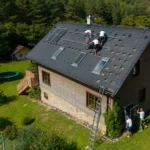
Local Roofing Expertise for Moonachie NJ Homes & Businesses
Roofing & Exterior Services in Moonachie NJ are essential for maintaining the integrity and value of properties throughout this dynamic Bergen County community. Our team is well-acquainted with the area’s distinct geography, bordered by significant transportation arteries like US Route 46, Route 503, Moonachie Road, and Union Avenue. Moonachie is characterized by specific zoning distinctions, including the R1 1-Family Residential Zone, the R2 2-Family Residential Zone, and the General Business Zone (B1), each presenting unique demands for both residential and commercial roofing solutions. From comprehensive roof inspections to detailed zoning regulations affecting construction, our local knowledge ensures every project is handled with precision and expertise.
The varied housing stock in Moonachie NJ, ranging from single-family homes in the R1 zone to two-family homes in the R2 zone, is indicative of the area’s upper-middle income residential profile. These homes commonly feature durable asphalt shingle roofing, requiring specialized installation and repair services. For the robust commercial sector, especially within the General Business Zone (B1), flat roofs are a prevalent choice, demanding expert knowledge in commercial roofing systems. Prominent local landmarks such as Teterboro Airport mean properties might experience higher wind exposures, while the Hackensack River’s presence highlights the critical need for effective water management and robust roofing solutions. Portions of Moonachie are also integral to the NJSEA Meadowlands District, adding another layer of environmental and regulatory considerations for local property owners.
Permits, planning, and local considerations
Moonachie NJ experiences a temperate humid continental climate, typical of Northern New Jersey, featuring hot summers, cold winters, and substantial precipitation. This climate profile introduces several key stressors for local roofing systems. Regular freeze-thaw cycles can cause significant cracking in shingles and contribute to the formation of damaging ice dams during winter months. Heavy snowfall places considerable weight stress on roofs, potentially compromising structural integrity. High winds, often intensified by proximity to major highways and Teterboro Airport, can lead to shingle detachment and other wind damage. Furthermore, heavy rainfall, particularly within the Hackensack River watershed, increases the risk of water penetration and requires robust waterproofing. All roofing projects in Moonachie NJ must comply with permit requirements from the Borough of Moonachie, and projects within the NJSEA Meadowlands District may have additional compliance needs. It is imperative that all work adheres to the rigorous standards of the New Jersey Uniform Construction Code (NJ UCC). Property owners should consult the Moonachie NJSEA Meadowlands District Permits resources for specific guidelines and ensure Meadowlands District compliance.
FAQs for Roofing in Moonachie NJ
What are the common roofing challenges specific to Moonachie NJ’s climate?
Moonachie NJ’s climate presents several challenges for roofing systems. The area experiences significant freeze-thaw cycles in winter, which can lead to cracking and delamination of shingles, as well as the formation of ice dams. Heavy snowfall contributes to substantial weight stress on roofs, requiring strong structures. High winds, particularly near major roads like US Route 46 and landmarks like Teterboro Airport, can cause shingle lift-off and blow-offs. Additionally, heavy rainfall, influenced by the Hackensack River watershed, increases the risk of water damage and emphasizes the need for effective drainage and waterproofing solutions. Proactive roof inspections and maintenance are crucial to address these local stressors.
What types of roofs are typically found in Moonachie NJ’s residential and commercial zones?
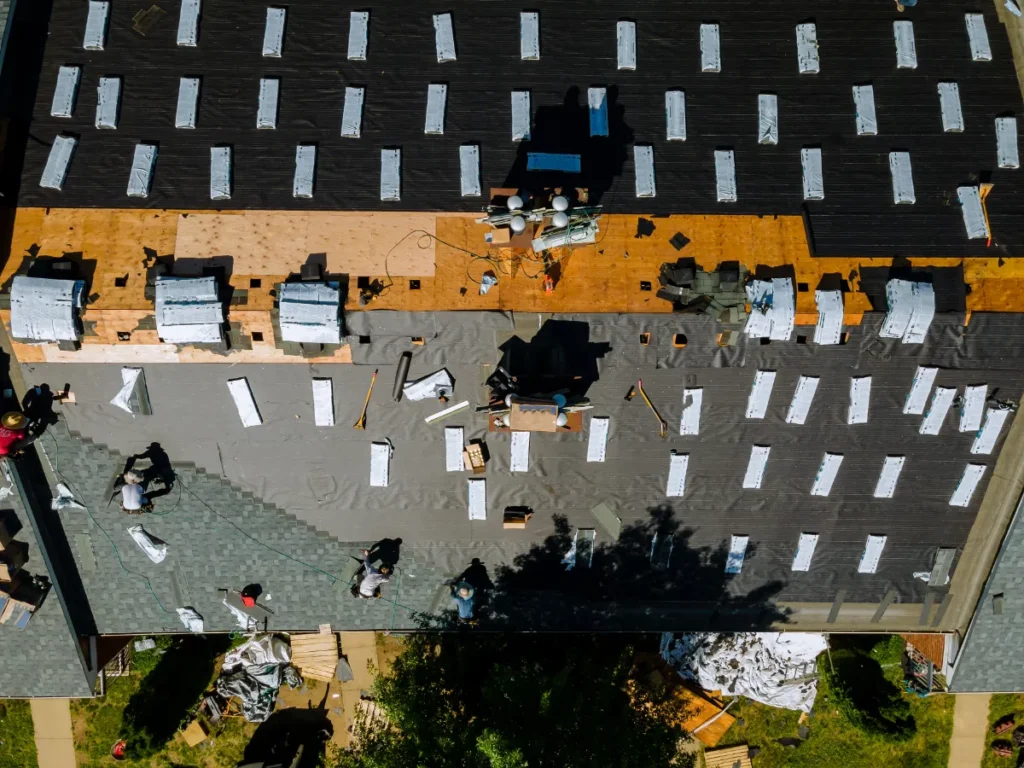
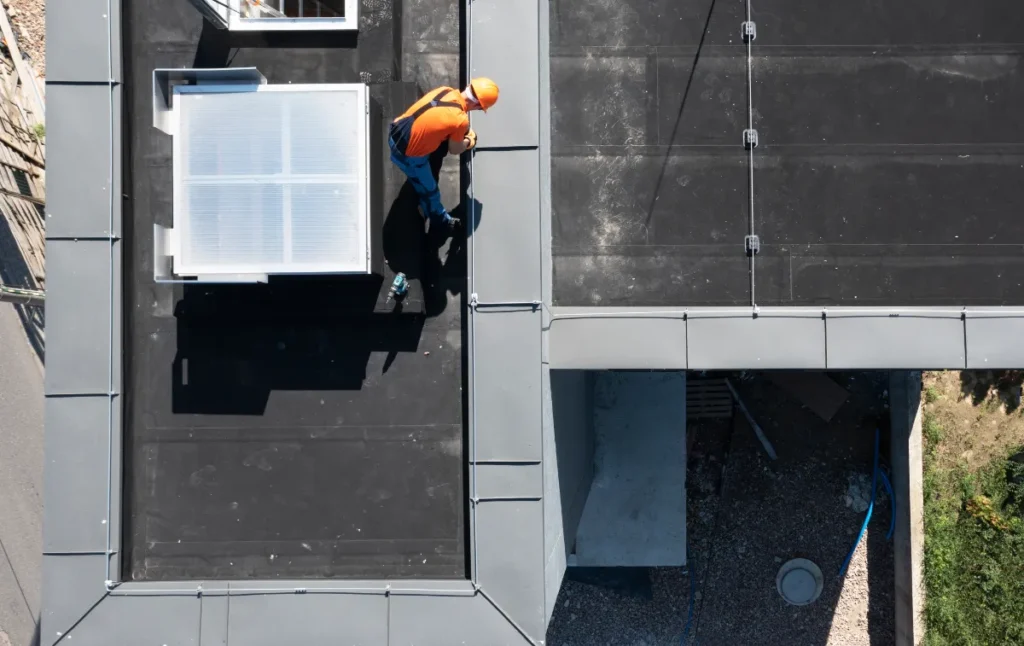
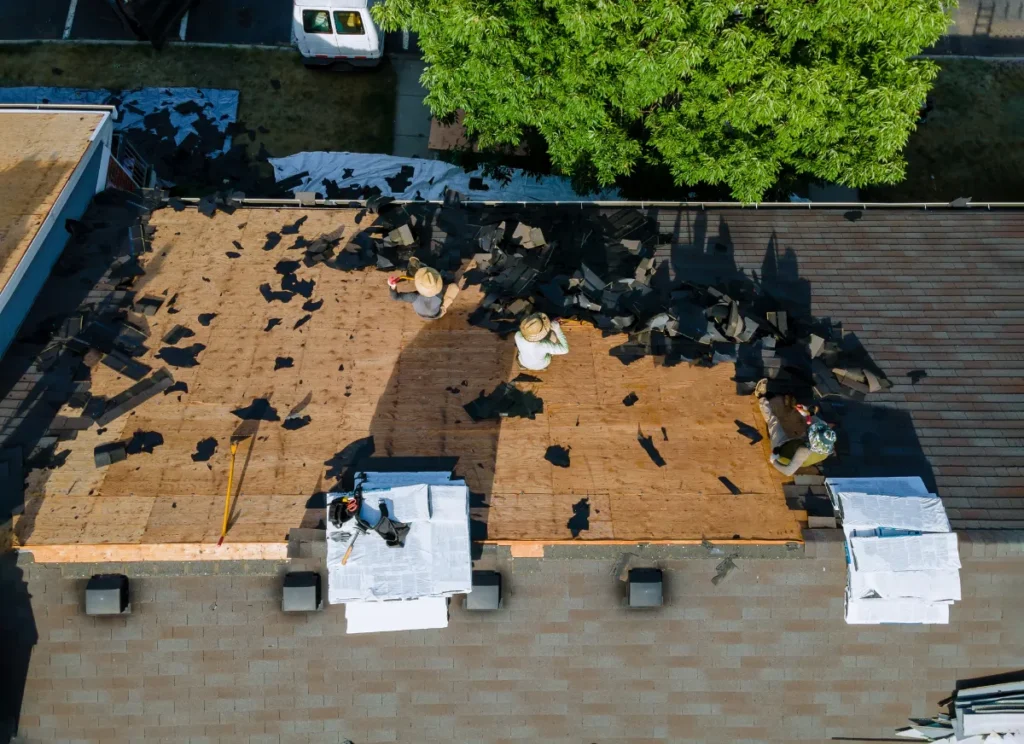
In Moonachie NJ, the typical roof types vary based on the specific zoning and property use. For residential properties within the R1 1-Family Residential Zone and R2 2-Family Residential Zone, asphalt shingle roofs are overwhelmingly common. These are favored for their durability, cost-effectiveness, and aesthetic appeal, fitting well with the upper-middle income residential characteristics of the area. In the General Business Zone (B1) and other commercial areas, flat roofs are frequently observed. These roofs are ideal for larger commercial buildings, offering practical space utilization and requiring specialized materials and installation techniques for optimal performance and longevity against local weather conditions.
What permit requirements apply to roofing projects in Moonachie NJ, especially within the Meadowlands District?
All roofing projects in Moonachie NJ must obtain permits from the Borough of Moonachie, which ensures adherence to local building codes and standards. Critically, for properties situated within the NJSEA Meadowlands District, additional permits and specific regulations from the NJSEA (New Jersey Sports and Exposition Authority) may be required. These regulations often address environmental impacts and development within the sensitive Meadowlands area. Furthermore, every project must comply with the overarching New Jersey Uniform Construction Code (NJ UCC). It is advisable to consult the official Borough of Moonachie and NJSEA Meadowlands District resources to confirm all necessary permit requirements before commencing any work.
How do Moonachie’s specific neighborhoods and road networks influence roofing logistics?
Moonachie’s distinct neighborhoods and road network, including the R1 and R2 Residential Zones, the General Business Zone (B1), and major routes like US Route 46 and Moonachie Road, significantly influence roofing logistics. Easy access via these roads facilitates the timely delivery of materials and equipment, which is vital for efficient project completion. However, busy roadways or specific zoning restrictions can also impact staging areas and work schedules. Understanding the layout of areas like Union Avenue and Route 503 helps in planning for residential roof repair or large-scale commercial roof replacement, ensuring minimal disruption to local traffic and residents.
What are key indicators homeowners in Moonachie NJ should look for that suggest roof damage?
Moonachie NJ homeowners should be vigilant for several key indicators of roof damage. Visible signs on asphalt shingle roofs include cracked, curled, buckling, or missing shingles, often a result of strong winds or aging. Granule loss, where the protective coating of shingles wears away, is another common sign of wear and tear exacerbated by local climate. Inside the home, water stains on ceilings or walls are definitive indicators of a roof leak. Externally, sagging sections of the roof, especially after heavy snowfall, or blockages in gutters caused by shingle debris, can signal underlying issues requiring professional roof inspection and potential repair.
Why is selecting a local, knowledgeable roofing contractor important for Moonachie NJ properties?
Choosing a local roofing contractor with specific knowledge of Moonachie NJ is crucial due to the area’s unique conditions. A local expert will be familiar with the distinct zoning regulations of the R1, R2, and B1 zones, as well as the specific permit requirements from the Borough of Moonachie and the NJSEA Meadowlands District. They will also understand how the local climate, including freeze-thaw cycles and heavy snowfall, impacts roofing materials and longevity. This localized expertise ensures that roofing solutions are tailored to Moonachie’s specific environmental stressors and regulatory landscape, providing more effective and compliant results for both residential and commercial roofing needs.
How do proximity to landmarks like Teterboro Airport and the Hackensack River affect roofing considerations in Moonachie?
Proximity to Teterboro Airport and the Hackensack River introduces specific roofing considerations for Moonachie properties. Buildings near Teterboro Airport may be subject to increased wind exposure and potentially stricter building codes related to noise or structural resilience. This can influence material choices and installation methods for residential and commercial roofing alike. The Hackensack River, as a watershed boundary, means properties in its vicinity may face higher risks of heavy rainfall and associated water damage, making robust waterproofing and efficient gutter systems critical. These unique environmental factors necessitate specialized attention during roof repair, maintenance, and new roof installations to ensure long-term durability.
If you want an inspection, the next step is requesting an estimate.