Local Roofing Expertise for Edgewater NJ Homes & Businesses
For superior Roofing & Exterior Services in Edgewater NJ, understanding the local architectural styles and environmental conditions is paramount. As a key part of Bergen County, Edgewater presents a diverse array of properties, from the charming, northern section of Undercliff, originally a colony of fishermen, to the bustling Town Centre, which serves as the main shopping area from north to south. The Southern area, historically an industrial zone and home to the Ford Motor Company Assembly Plant, now features residential conversions. Navigating Edgewater often involves key thoroughfares like River Road, offering stunning views of the Hudson River and Manhattan skyline, as well as County Route 505, Route 5, Gorge Road leading to Cliffside Park, and the colonial-era Edgewater Road (Oxen Hill Road).
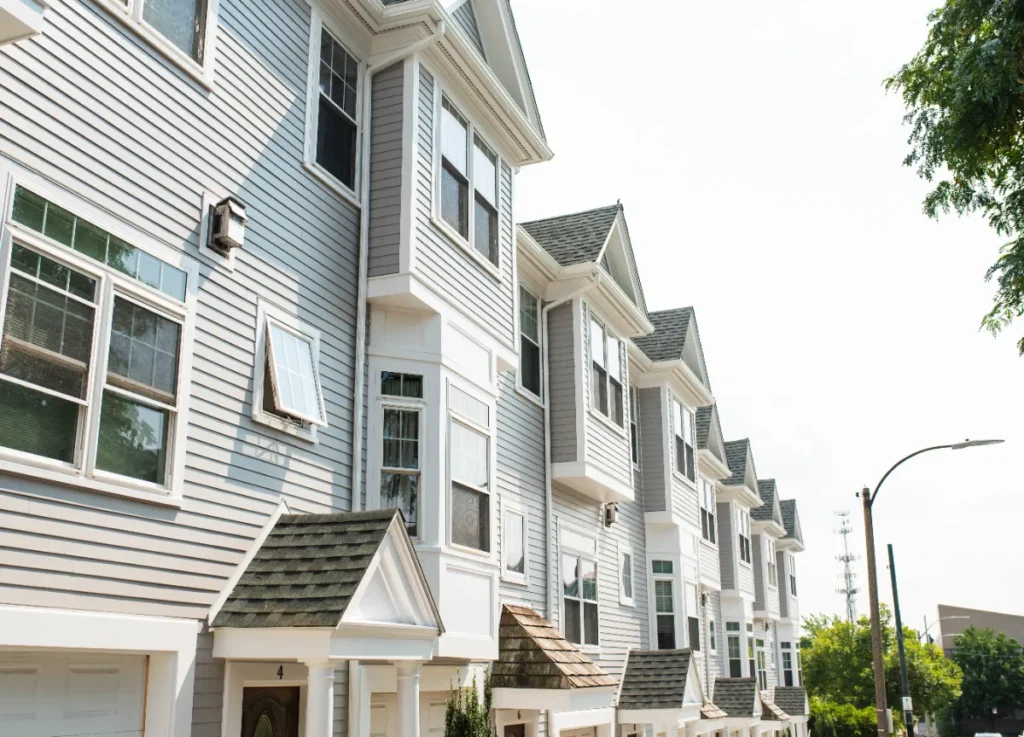
The unique housing stock in Edgewater reflects its rich history and modern development. We see numerous condo developments and townhouse developments along the scenic waterfront, alongside residential properties that have transitioned from the borough’s industrial past. Many multi-story residential buildings have emerged, particularly given the narrow strip geography along the Hudson River. This variety in architecture means our roof installation expertise must cater to different demands. For instance, the Borough Hall, constructed in 1904, and the Edgewater Free Library, dedicated in 1916, showcase historic construction, while modern residential structures along the Hudson River Waterfront Walkway / River Walk require contemporary roofing solutions. Whether it’s the inferred pitched/sloped residential roofs with asphalt shingles or the flat roofs typical of former industrial sites, understanding these specific nuances is critical for effective flat roofs services or traditional residential roofing projects.
Edgewater, located along the Hudson River, experiences a humid subtropical/temperate climate typical of northern New Jersey, with four distinct seasons. This climate, combined with the borough’s unique geography, creates specific challenges for roofing systems. Proximity to the Hudson River exposes roofing materials to salt spray, which can accelerate corrosion. The steep topography and Palisades Cliff wind exposure, particularly near the Palisades Interstate Park, create increased wind loads. Additionally, the age of housing stock and industrial conversions often mean aging roof systems. Heavy precipitation patterns can lead to drainage challenges, especially for flat-roofed buildings, and the urban heat island effect contributes to accelerated thermal cycling. All roofing projects in Edgewater must comply with permit requirements from the Edgewater Borough Building Department / Edgewater Borough Code Enforcement and adhere to the New Jersey Uniform Construction Code (NJ UCC). Information regarding permits can be found via the Edgewater Borough Official Website or the Bergen County Building Department.
FAQs for Roofing in Edgewater NJ
What are the primary roofing stressors for properties in Edgewater NJ?
Properties in Edgewater NJ face several unique roofing stressors. The most significant include exposure to salt spray from the Hudson River, which can corrode metal components and fasteners. The steep topography of the Palisades Cliffs often leads to increased wind loads, especially for structures built on higher elevations. The age of the housing stock, particularly former industrial buildings and older residential areas, means many roofs are nearing the end of their lifespan. Additionally, heavy precipitation, typical of Northern New Jersey, can challenge drainage, and the urban heat island effect contributes to thermal cycling, stressing roofing materials.
Are there specific permit requirements for roof replacement in Edgewater NJ?
Yes, all roofing projects, including roof replacements, in Edgewater NJ must comply with local permit requirements. The Edgewater Borough Building Department / Edgewater Borough Code Enforcement is the authority responsible for issuing these permits and ensuring adherence to the New Jersey Uniform Construction Code (NJ UCC). Property owners should consult the official Edgewater Borough website or the Bergen County Building Department for specific application procedures, required documentation, and inspection protocols before starting any roofing work to ensure full compliance.
What types of roofs are commonly found on residential and commercial properties in Edgewater?
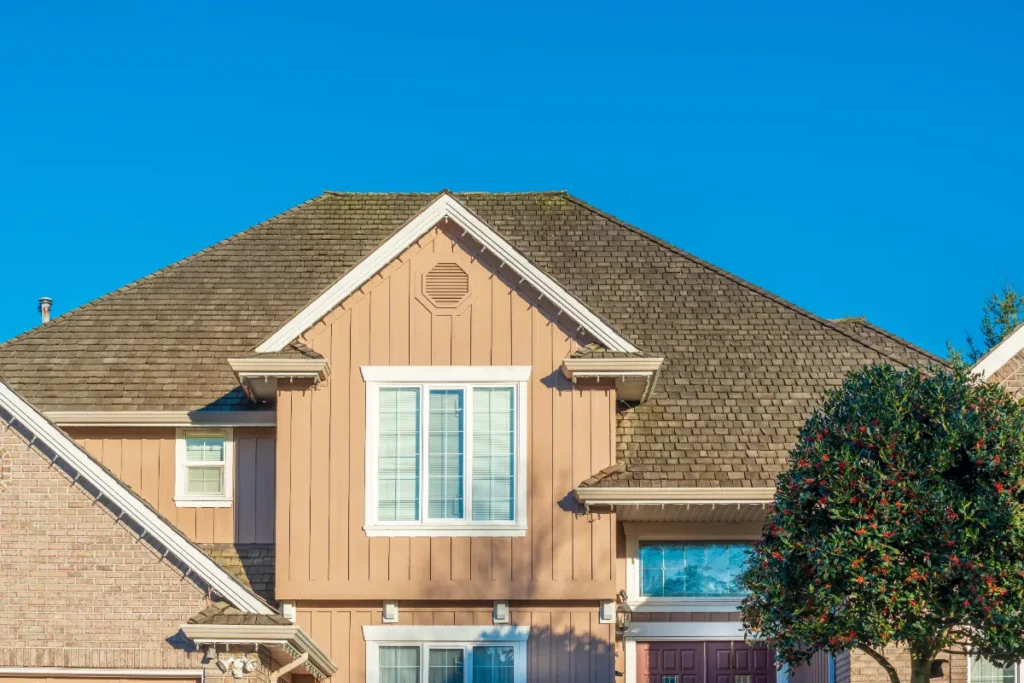
Edgewater’s residential and commercial properties feature a mix of roof types. Waterfront condo and townhouse developments often have pitched or sloped residential roofs, with asphalt shingles being a popular choice for their durability and aesthetic appeal. In contrast, many commercial and older industrial conversion buildings, particularly in the Southern area where the Ford Motor Company Assembly Plant once operated, commonly utilize flat roofs. Understanding these distinctions is crucial for selecting appropriate materials and ensuring effective roof repair or installation services for any property in Edgewater.
How does Edgewater’s climate profile affect roof longevity and maintenance?
Edgewater’s humid subtropical/temperate climate, characterized by four distinct seasons, significantly affects roof longevity and maintenance. Winter temperatures average 25-35°F with occasional snow, while summer temperatures reach 75-85°F. These seasonal temperature fluctuations cause materials to expand and contract, leading to stress and wear over time. Variable precipitation patterns, coupled with proximity to Atlantic weather systems, mean roofs must withstand heavy rain. Regular roof repair and inspections are essential to mitigate the impact of these climatic conditions and prolong roof life.
What are common issues for older roofs in Edgewater, especially industrial conversions?
Older roofs in Edgewater, particularly those on industrial conversions such as former factories, frequently face challenges associated with their age and original design. These roofs, often flat, can suffer from aging membranes, compromised flashing, and inadequate drainage systems not suited for modern precipitation levels. This leads to issues like water ponding, leaks, and accelerated material degradation. The age of the underlying structure, sometimes 30-50+ years old, also means that the entire roofing system may require comprehensive assessment and potentially specialized roof restorations to ensure structural integrity and waterproofing.
Considering Edgewater’s geography, what kind of wind protection is advisable for roofs?
Edgewater’s dramatic elevation changes due to the Palisades Cliffs, and its open exposure along the Hudson River, create significant wind tunnel effects and increased wind loads on roofs. For properties, especially those on higher elevations or along routes like Gorge Road, it is advisable to prioritize roofing systems designed for high wind resistance. This includes selecting materials with strong adhesion, reinforced edges, and proper fastening techniques. Such precautions help prevent blow-offs and structural damage during severe weather events, ensuring the long-term integrity of the roof.
If you want an inspection, the next step is requesting an estimate.